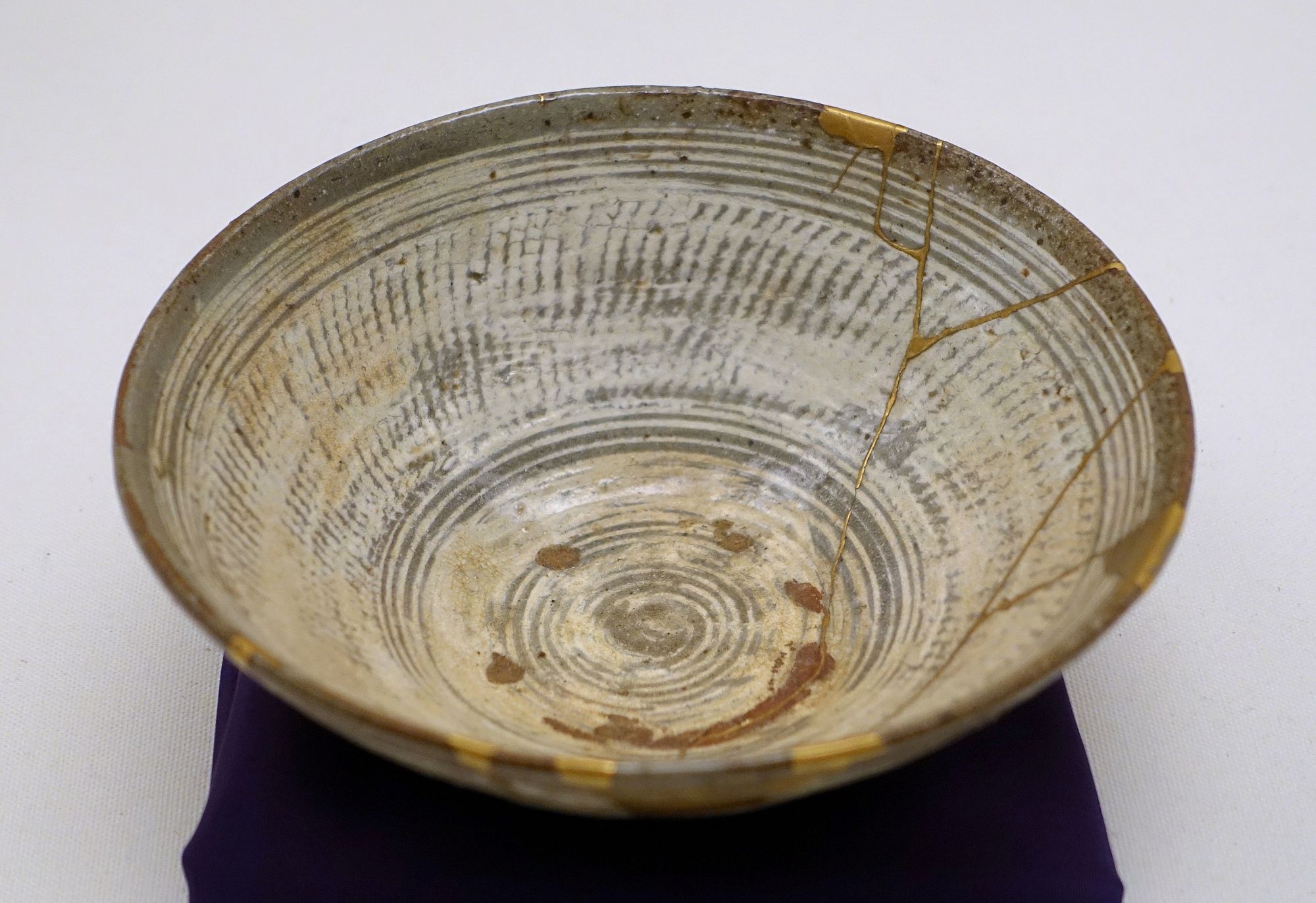
Kintsugi is a technique/ideology that I've always been fascinated by, but never been able to utilise in day-to-day work. With the feature of kintsugi repaired Storm Troopers in the recent series Ahsoka, there's likely to be a lot of interest garnered into the aesthetic of the technique.
Kintsugi (金継ぎ, "golden joinery"), also known as kintsukuroi (金繕い, "golden repair"), is the Japanese art of repairing broken pottery by mending the areas of breakage with urushi lacquer dusted or mixed with powdered gold, silver, or platinum; the method is similar to the maki-e technique. As a philosophy, it treats breakage and repair as part of the history of an object, rather than something to disguise. - Wikipedia
When rebuilding or repairing machines, as is something I often do, even on the oldest of machines the objective is to make them look like new. Which in itself is fine, but when hiding the beauty of the repairs, and hiding the true history of the object, I feel this is at a cost.
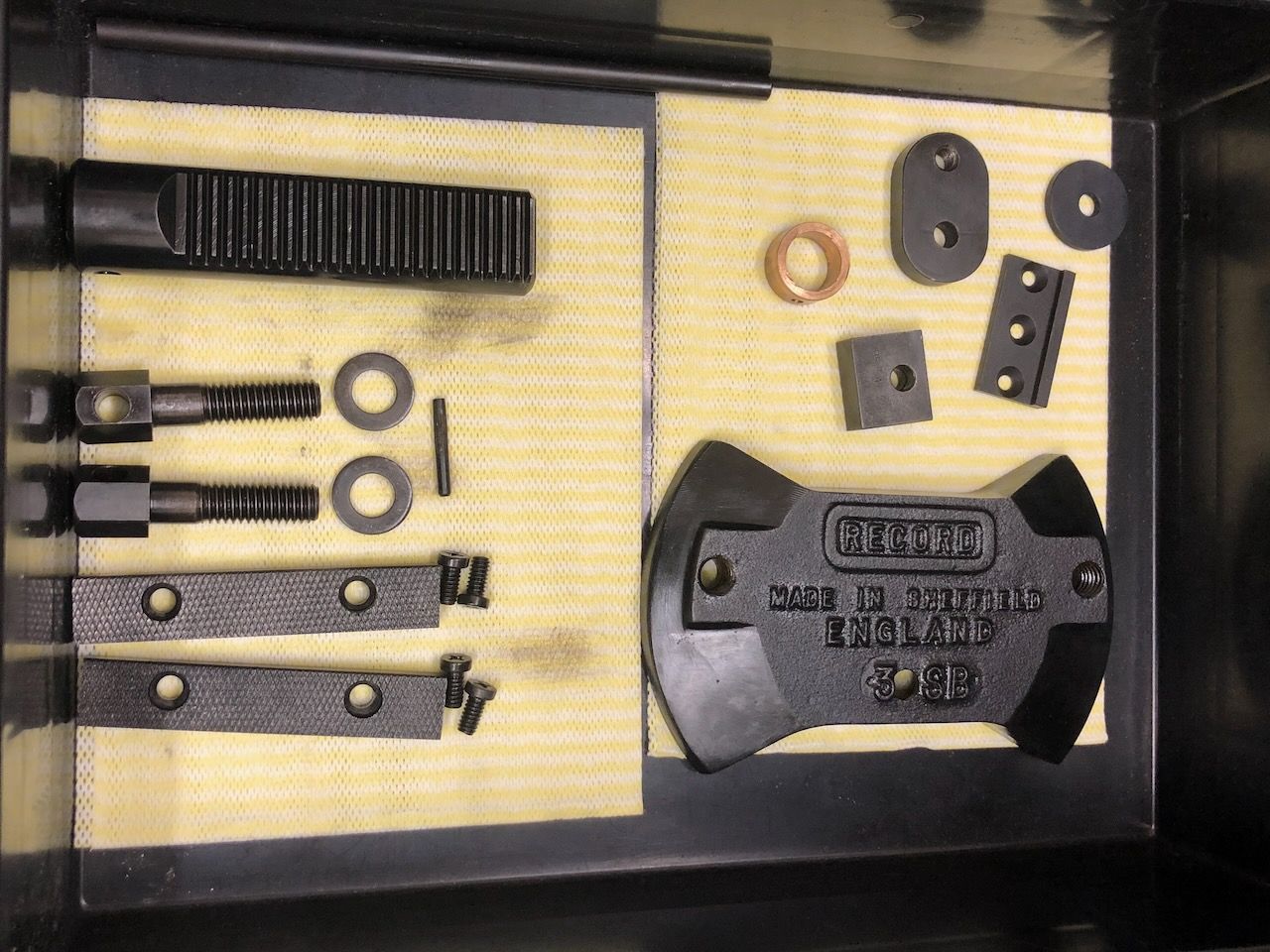
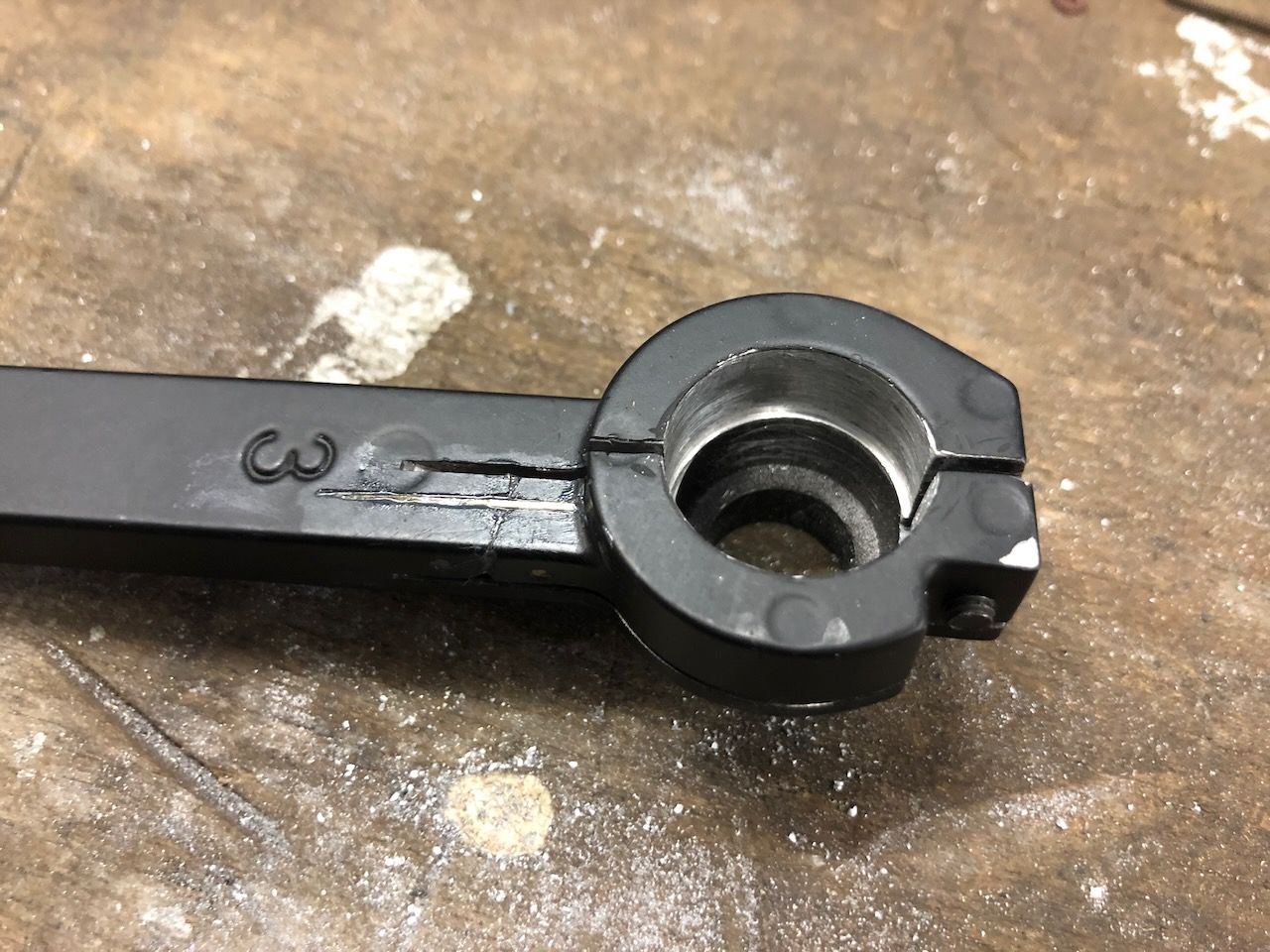
That's not to say, I want to keep paint chipped, or corroded parts, but instead to think of restoration as a sign of care and appreication of the object. We shouldn't be trying to hide the age or repairs of an object - often the repairs are true works of art and should be appreicated in their own right - but should consider that the fact we've gone to the effort of the repair elevates the object. It's clearly something important and appreicated, if we've gone to the effort of repairing it?
I'm hoping I can apply kintsugi to a project in the near future, (or I may be forced to start breaking bowls and plates!) though I do apply the ideology where possible in every project.